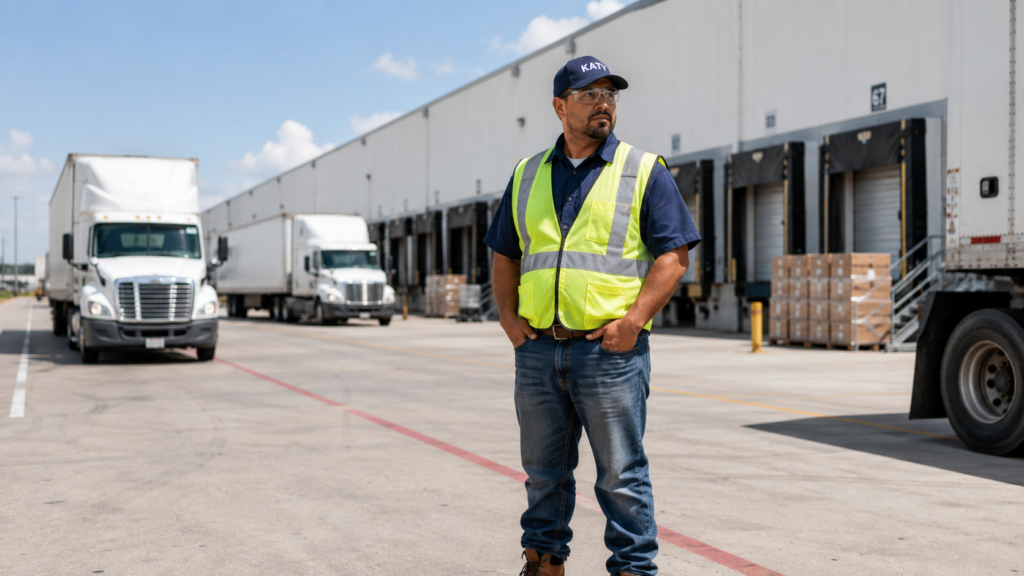
Katy Warehouse Injury Claims
Warehouse and Distribution Center Injuries in Katy: Third-Party Claims in Texas
A warehouse injury in Katy may involve more than workers’ compensation. In some cases, another company may also be responsible.
Katy has grown quickly. As a result, the area now has more warehouses, distribution centers, loading docks, delivery routes, construction, and commercial traffic.
```Warehouses and distribution centers help move goods across Texas every day. However, they can also be dangerous places to work.
Workers may be surrounded by forklifts, pallet jacks, delivery trucks, loading docks, conveyor systems, heavy inventory, contractors, temporary workers, and several companies operating in the same space.
```After a serious warehouse injury in Katy, many workers hear the same thing: that is just workers’ comp. However, that is not always the full story. If someone other than the injured worker’s employer caused or contributed to the accident, there may be a third-party injury claim. The Law Office of Don McClure helps injured Texans understand their legal options after serious worksite accidents, including warehouse injuries, forklift accidents, loading dock accidents, delivery truck incidents, and third-party claims.
Quick Answer: Can a Warehouse Worker in Katy Bring a Third-Party Claim?
```Yes, depending on the facts. A warehouse injury in Katy may involve a third-party claim if someone other than the injured worker’s employer caused or contributed to the accident.
For example, a third party may include a subcontractor, staffing company, property owner, forklift operator from another company, delivery truck company, maintenance contractor, equipment rental company, or product manufacturer.
Workers’ compensation may still apply. However, it may not be the only possible claim.
```Why Warehouse and Distribution Center Injuries Happen
Warehouse work can involve fast movement, tight deadlines, heavy equipment, and constant coordination between workers, drivers, supervisors, vendors, and contractors.
The Occupational Safety and Health Administration identifies warehouse hazards and solutions involving forklifts, docks, conveyors, material handling, charging stations, and other common warehouse risks.
Common warehouse hazards may include:
- Forklift traffic
- Loading dock edges
- Falling inventory
- Unsafe stacking
- Truck loading and unloading
- Slippery floors
- Congested aisles
- Poor lighting
- Conveyor belt hazards
- Defective equipment
- Lack of training
- Poor communication between companies
When several companies work in the same facility, it may not be clear who created the danger. For that reason, third-party liability should be carefully investigated.
Why Warehouse Injury Cases in Katy Can Be Different
Katy is not just a residential suburb. The area has grown into a major commercial and logistics corridor for West Houston.
As a result, warehouse and distribution center injuries in Katy may involve:
- I-10 commercial traffic
- Grand Parkway delivery routes
- Regional distribution centers
- Delivery contractors
- Loading dock operations
- Temporary staffing companies
- Third-party maintenance companies
- Commercial vehicle traffic
- Outside vendors
- Multiple employers in one facility
This matters because the injured worker may not be employed by the company that controlled the dangerous area, operated the equipment, loaded the truck, or created the hazard.
For example, a warehouse worker may be injured by a delivery driver from another company. Also, a temporary worker may be hurt because a maintenance contractor failed to fix equipment. In some cases, a forklift operator from one company may injure a worker employed by another company.
What Is Third-Party Liability in a Warehouse Injury Case?
A third-party claim is a claim against someone other than the injured worker’s direct employer. In a warehouse injury case, this may involve another person or company that caused or contributed to the accident.
Examples may include:
- A delivery truck driver backs into a worker at a loading dock.
- A forklift operator from another company strikes a warehouse employee.
- A maintenance company fails to repair a known equipment problem.
- A property owner ignores a dangerous loading dock condition.
- A contractor leaves materials in a walkway.
- A trucking company fails to secure a trailer during loading.
- A manufacturer sells defective warehouse equipment.
In other words, the key question is not simply where the accident happened. The key question is who created, controlled, or failed to correct the danger.
Common Types of Warehouse and Distribution Center Accidents
Forklift Accidents
Forklifts are common in warehouses and distribution centers. However, they are also one of the most serious risks.
The OSHA powered industrial truck loading and unloading page explains that powered industrial trucks are used in many work settings to load and unload materials. It also notes that forklift overturns are a leading cause of forklift-related fatalities. Read OSHA’s loading and unloading guidance.
Forklift accidents may involve workers struck by forklifts, tip-overs, falling loads, workers pinned between equipment, forklifts falling from docks, unsafe operation near pedestrians, lack of spotters, or defective brakes.
Loading Dock Accidents
Loading docks can be dangerous because workers, forklifts, trucks, trailers, dock plates, and heavy loads often move in the same area.
Accidents may involve workers falling from dock edges, trucks pulling away too early, trailer separation, workers crushed between trucks and docks, poor lighting, missing barriers, unsafe dock plates, or unmarked hazards.
Delivery Truck and Commercial Vehicle Accidents
Warehouses and distribution centers often have constant commercial vehicle traffic. For example, delivery trucks, box trucks, 18-wheelers, yard trucks, contractor vehicles, vendor vehicles, and cargo vans may all be moving through the same property.
If a driver from another company injures a warehouse worker, the trucking company, delivery company, employer, or commercial insurer may become part of the claim.
Falling Merchandise or Improperly Stacked Inventory
Warehouse inventory must be stored safely. Otherwise, pallets may collapse, boxes may fall from shelves, racking systems may fail, or heavy items may fall on workers.
Conveyor and Machinery Accidents
Conveyor systems and warehouse machinery can cause serious injuries if guards are missing, equipment malfunctions, or workers are not protected during maintenance.
In some cases, a maintenance contractor, equipment manufacturer, or outside service company may have contributed to the hazard.
Slip, Trip, and Fall Accidents
Warehouse floors can become dangerous because of spills, debris, cords, broken pallets, uneven surfaces, and poor lighting. Depending on the facts, another company may have created or failed to correct the hazard.
Who May Be Responsible After a Warehouse Injury in Katy?
Several parties may need to be investigated. In some cases, more than one company may share responsibility.
- Another contractor or subcontractor
- A delivery or trucking company
- A forklift operator from another company
- A property owner or facility operator
- A maintenance company
- An equipment rental company
- A product manufacturer
- A staffing company
Again, the issue is not just where the accident happened. The issue is who created the danger, who controlled the work area, and who failed to act safely.
What Evidence Matters After a Warehouse Injury in Katy?
Evidence can disappear quickly after a warehouse accident. For example, equipment may be repaired, footage may be deleted, pallets may be moved, and trucks may leave the property.
Important evidence may include:
- Incident reports
- Photos and videos
- Surveillance footage
- Forklift inspection records
- Maintenance records
- Delivery logs
- Trucking records
- Loading dock records
- Staffing agreements
- Contractor agreements
- Training records
- Witness statements
- Prior complaints
- Work schedules
- GPS or route data
The Bureau of Labor Statistics transportation and warehousing injury data shows why injuries in this industry remain a serious workplace safety issue.
What If the Injured Worker Has Workers’ Compensation?
Workers’ compensation and third-party claims are different. Workers’ compensation may provide certain benefits after a work injury, depending on the employer and the facts.
However, workers’ compensation may not cover every loss. If a third party contributed to the injury, a separate claim may allow the injured worker to seek damages that workers’ compensation may not fully address.
Depending on the case, this may include pain and suffering, full lost earning capacity, physical impairment, disfigurement, long-term medical needs, loss of enjoyment of life, and other damages.
Common Injuries in Warehouse and Distribution Center Accidents
Warehouse accidents can cause serious and long-term injuries. In some cases, workers may need surgery, physical therapy, time away from work, job restrictions, or long-term medical care.
- Broken bones
- Crush injuries
- Back injuries
- Neck injuries
- Spinal cord injuries
- Head injuries
- Traumatic brain injuries
- Shoulder and knee injuries
- Hand injuries
- Amputations
- Burns
- Internal injuries
- Wrongful death
What Should Injured Workers Do After a Warehouse Accident in Katy?
After a warehouse or distribution center injury, the first priority is medical care. However, if a third party may be involved, it is also important to preserve information early.
- Report the accident to a supervisor and make sure the incident is documented.
- Get medical treatment and do not ignore symptoms.
- Identify all companies involved, including contractors, delivery drivers, maintenance workers, vendors, and staffing agencies.
- Take photos if it is safe to do so.
- Get witness information.
- Do not assume it is only workers’ compensation.
- Be careful with recorded statements and avoid guessing.
- Speak with a Texas work injury lawyer about whether a third party may be responsible.
Warehouse Safety in Texas
Warehouse safety depends on training, communication, traffic control, equipment maintenance, and strong safety procedures. In addition, the Texas Department of Insurance provides warehouse safety guidance addressing forklifts, training, struck-by hazards, and workplace communication.
When companies ignore safety rules, the consequences can be serious for workers and their families.
How the Law Office of Don McClure Can Help
Warehouse and distribution center injury cases can involve complicated relationships between employers, contractors, staffing companies, trucking companies, property owners, and equipment providers.
Depending on the facts, legal help may include:
- Investigating the accident
- Identifying third parties
- Preserving evidence
- Reviewing incident reports
- Requesting surveillance footage
- Reviewing contractor agreements
- Evaluating commercial insurance coverage
- Gathering witness statements
- Communicating with insurance companies
- Pursuing a third-party injury claim when appropriate
If you were injured at a warehouse, distribution center, loading dock, or commercial facility in Katy, Houston, or Southeast Texas, you may have legal options beyond workers’ compensation.
FAQs About Warehouse Injury Third-Party Claims in Katy
```Possibly. If someone other than your employer caused or contributed to the accident, you may have a third-party claim depending on the facts.
No. Some warehouse injuries involve workers’ compensation, but others may also involve third-party liability if another company, contractor, driver, or equipment provider contributed to the injury.
A third party may include a delivery company, trucking company, contractor, property owner, forklift operator from another company, maintenance contractor, equipment rental company, or product manufacturer.
Important evidence may include photos, videos, surveillance footage, incident reports, forklift records, maintenance records, delivery logs, contractor agreements, training records, and witness statements.
If a delivery driver or trucking company caused the injury, a third-party claim may be possible depending on the facts.
Temporary workers may still have legal options. If a third party contributed to the accident, the worker may have a claim beyond workers’ compensation depending on the circumstances.
Be careful. Insurance companies may ask questions before the full facts are known. It may be helpful to understand your rights before giving detailed statements.
Final Thoughts
Warehouse and distribution center injuries in Katy can involve more than workers’ compensation. When another company, delivery driver, contractor, equipment provider, property owner, or manufacturer contributes to the injury, a third-party claim may be possible.
In many cases, the answer depends on evidence. This may include who controlled the work area, who operated the equipment, who owned the property, and whether safety procedures were followed.
If you were injured at a warehouse or distribution center in Katy, Houston, or Southeast Texas, the Law Office of Don McClure can help you understand your legal options.
Questions After a Warehouse or Distribution Center Injury in Katy?
The Law Office of Don McClure offers a free initial case review. You can discuss your situation, learn your options, and decide what steps may make sense for your case.
Contact UsExternal Sources
This article is for informational purposes only and does not constitute legal advice. Reading this article does not create an attorney-client relationship. Every case is unique, and past results do not guarantee future outcomes.