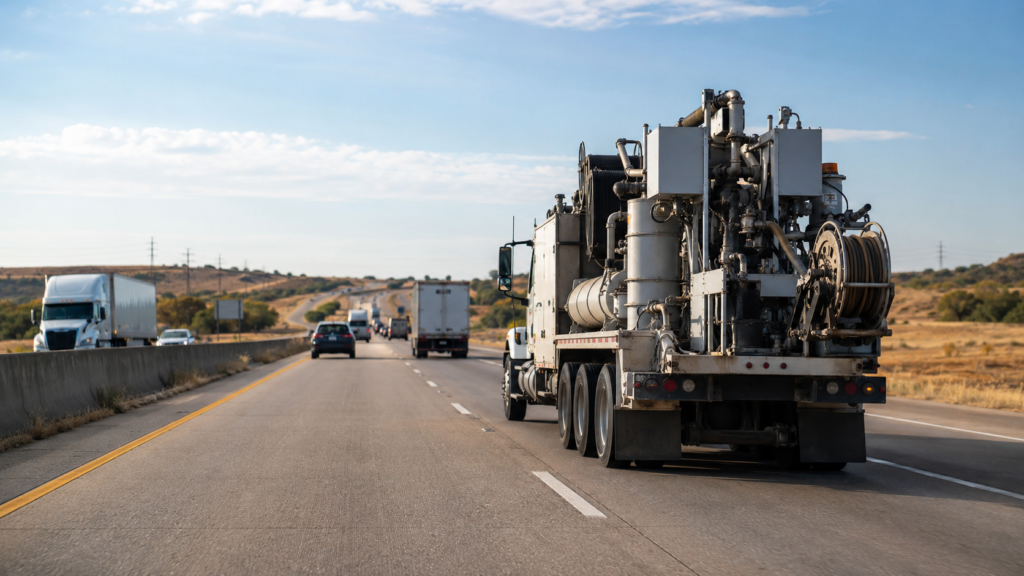
Texas Oil and Gas Truck Accident Claims
Oil and Gas Truck Accidents on Texas Highways
These crashes can look simple at first. However, the real story may involve several companies, contractors, cargo records, maintenance issues, and insurance questions.
It might happen on a highway outside Houston, near a plant entrance in Pasadena, on a road outside Baytown, or somewhere between a jobsite and a yard.
```You are driving like normal. Then a heavy oil and gas truck enters traffic, changes lanes, loses control, or cannot stop in time.
After the crash, everything can feel confusing.
```The truck may have one company name on the door. The driver may say he was working for someone else. The load may have come from another location. Then the insurance company starts calling. Suddenly, what looked like a simple crash feels like a puzzle.
That is common in oil and gas truck accident cases in Texas.
These cases are not always just about the driver. They may involve the trucking company, oilfield company, contractor, maintenance company, cargo loading company, or another business connected to the job. The Law Office of Don McClure helps injured Texans understand their legal options after serious commercial vehicle, 18-wheeler, work truck, refinery, plant, and oilfield-related accidents.
Quick Answer: Who May Be Responsible After an Oil and Gas Truck Accident in Texas?
```Responsibility after an oil and gas truck accident depends on the facts. The driver may be responsible, but the investigation should not stop there.
The truck may belong to one company. The driver may work for another. Someone else may have handled the load. A dispatcher, contractor, or jobsite supervisor may have controlled the route.
The key question is simple: who had the power to prevent the crash?
```Potentially Responsible Parties
Depending on the evidence, potentially responsible parties may include:
- The truck driver
- The trucking company
- An oilfield services company
- A refinery or plant contractor
- A commercial vehicle owner
- A maintenance company
- A cargo loading company
- A broker or dispatch company
- A product manufacturer
- Another negligent driver
Why Oil and Gas Truck Accidents Are Different
A regular car accident may involve two drivers and two insurance companies. An oil and gas truck accident can involve much more.
These trucks are often part of a larger job. They may be moving water, sand, pipe, chemicals, equipment, fuel, or workers. They may also travel between refineries, plants, terminals, yards, lease roads, and job locations.
In Texas, that kind of traffic is normal. However, normal does not mean simple.
Oil and gas trucks may operate under difficult conditions, including:
- Long rural routes
- Heavy commercial traffic
- Night driving
- Tight delivery schedules
- Construction zones
- Plant and refinery entrances
- Oilfield lease roads
- Loading and unloading areas
- Narrow or damaged roads
- Poor lighting
- Heavy vehicle weights
- Dangerous or shifting cargo
When something goes wrong, the crash may not be random. It may result from fatigue, poor maintenance, unsafe loading, rushed dispatch, weak training, or a company ignoring warning signs.
The Trucks You See on Texas Roads
Not every oil and gas vehicle looks the same. Some are large tankers. Some are flatbeds. Some are heavy-haul trucks. Others are company pickups or work trucks connected to a commercial job.
Common vehicles may include:
- Water trucks
- Vacuum trucks
- Frac sand trucks
- Tanker trucks
- Crude oil trucks
- Pipe trucks
- Flatbeds
- Heavy-haul trucks
- Winch trucks
- Hotshot trucks
- Service trucks
- Company pickups
- Work vans
- Equipment transport trucks
Some carry heavy materials. Some carry tools. Some carry workers. Others may carry substances that create fire, explosion, or exposure risks after a crash.
How Oil and Gas Truck Accidents Happen
Oil and gas truck accidents can happen in many ways. Sometimes the cause is obvious. Other times, the real cause is hidden in records, logs, maintenance files, dispatch notes, or company decisions made before the truck ever got on the road.
Driver Fatigue
Oilfield work can involve long days, overnight shifts, waiting time, travel between jobsites, and irregular schedules. A driver may look awake but still be dangerously tired.
Fatigue can affect reaction time, judgment, lane control, and braking. With a heavy commercial vehicle, even a delayed reaction of a few seconds can cause devastating harm.
The Federal Motor Carrier Safety Administration discusses oilfield equipment and Hours of Service exceptions for certain oilfield operations. These rules can be technical, and whether an exception applies depends on the vehicle, driver, operation, and facts.
Even if a company claims an oilfield exception applies, that does not automatically mean the driver was safe to be on the road. A rule exception does not erase the duty to drive safely.
Speeding or Driving Too Fast for Conditions
A heavy oil and gas truck does not stop like a passenger car. If a driver is speeding, following too closely, or driving too fast for weather, traffic, curves, road damage, or construction, the consequences can be severe.
Distracted Driving
Commercial drivers may use phones, GPS, radios, dispatch systems, job apps, or other communication tools. A few seconds of distraction can be dangerous when the vehicle is large, heavy, or carrying equipment.
Improper Loading or Shifting Cargo
Some oil and gas trucks carry heavy, unstable, or difficult-to-secure loads. If cargo shifts, the driver may lose control.
Improper loading may contribute to rollovers, jackknife crashes, lost cargo incidents, rear-end collisions, lane departures, tire failures, or brake stress.
This matters because the company that loaded the truck may not be the same company that drove it.
Poor Vehicle Maintenance
Heavy trucks need regular inspection and maintenance. Brake problems, worn tires, steering issues, lighting failures, and mechanical defects can turn an already dangerous situation into a catastrophic crash.
Unsafe Hiring or Training
Sometimes the crash raises a bigger question: should this driver have been allowed behind the wheel?
Companies may need to review driving history, licenses, training, qualifications, prior crashes, and safety complaints. If a company ignores obvious red flags, that decision may matter after a crash.
Unsafe Jobsite or Dispatch Practices
Some crashes begin before the driver reaches the highway. A driver may be rushed. A load may be unsafe. A route may be poorly planned. A truck may be sent out even though it needs repairs.
In oil and gas work, pressure can move fast. Safety cannot be an afterthought.
Can an Oilfield Company Be Responsible?
Possibly. An oilfield company may be involved if it owned the truck, employed the driver, controlled the job, pressured the driver, failed to train workers, or contributed to unsafe operations.
A company may also be investigated if it:
- Hired an unsafe contractor
- Failed to coordinate safe loading
- Ignored known vehicle problems
- Pressured drivers to meet unsafe schedules
- Failed to follow safety procedures
- Allowed overloaded vehicles
- Failed to supervise drivers
- Failed to preserve safety records
Sometimes the company that benefits from the work is not the same company that owns the truck. Sometimes the truck is operated by a contractor. Sometimes another company loaded the cargo. Sometimes a maintenance company failed to fix the problem.
That is why the investigation should follow the evidence, not just the logo on the door.
Can a Contractor or Subcontractor Be Liable?
Yes, depending on the facts. Oil and gas transportation often involves layers of contractors. A trucking company may be hired by an oilfield services company, refinery contractor, logistics company, broker, or operator.
A contractor or subcontractor may be responsible if it caused or contributed to the crash.
Examples may include:
- A contractor loads cargo unsafely.
- A subcontractor sends an unqualified driver.
- A maintenance contractor fails to repair brakes.
- A dispatch company pressures a driver to continue while fatigued.
- A jobsite contractor creates a dangerous entry or exit route.
- A trucking contractor ignores safety complaints.
In these cases, the question is not only who was driving. The better question is: who had the power to prevent this?
What If Hazardous Materials Were Involved?
Some oil and gas trucks may carry fuel, chemicals, produced water, crude oil, or other hazardous materials. When hazardous materials are involved, the danger may continue after the crash.
A collision may create risks of:
- Fire
- Explosion
- Chemical exposure
- Toxic fumes
- Environmental contamination
- Road closures
- Emergency response delays
- Burns or respiratory injuries
The Occupational Safety and Health Administration identifies standards related to oil and gas extraction hazards. In some cases, the investigation may involve both roadway safety and workplace safety issues.
What Evidence Matters After an Oil and Gas Truck Accident?
Evidence can disappear quickly after a commercial vehicle crash. A truck may be repaired. Cargo may be moved. Logs may be overwritten. A company may begin its own internal investigation before the injured person even leaves the hospital.
Important evidence may include:
- Police reports
- Driver logs
- Electronic logging device data
- Dispatch records
- GPS data
- Bills of lading
- Cargo records
- Weight tickets
- Maintenance records
- Inspection reports
- Driver qualification files
- Training records
- Drug and alcohol testing records
- Cell phone records
- Dashcam footage
- Company safety policies
- Contractor agreements
- Job tickets
- Work orders
- Witness statements
- Photos and videos
- Black box or event data
This evidence can help answer the questions that matter most: who controlled the truck, route, cargo, maintenance, driver, and risk.
The sooner evidence is preserved, the better chance there may be to understand what happened.
Common Injuries After Oil and Gas Truck Accidents
The injuries from these crashes can be severe because of the size, weight, and cargo involved.
- Traumatic brain injuries
- Spinal cord injuries
- Neck and back injuries
- Broken bones
- Crush injuries
- Burns
- Internal injuries
- Amputations
- Severe lacerations
- Respiratory injuries
- Chemical exposure injuries
- Wrongful death
For many families, the crash is only the beginning. The days and months after may involve surgeries, therapy, missed work, medical bills, and uncertainty about the future.
What Compensation May Be Available?
Depending on the facts, injured people may be able to seek compensation for losses such as:
- Emergency medical care
- Hospital bills
- Surgery
- Rehabilitation
- Future medical treatment
- Lost wages
- Reduced earning capacity
- Pain and suffering
- Physical impairment
- Disfigurement
- Property damage
- Long-term care needs
Every case is different. The available damages depend on the evidence, injuries, liability, insurance coverage, and Texas law.
How Long Do You Have to File a Claim in Texas?
Texas has legal deadlines for personal injury and wrongful death claims. Under Texas Civil Practice and Remedies Code Section 16.003, many personal injury and wrongful death lawsuits generally must be filed within two years.
However, deadlines can vary depending on the facts. Claims involving government entities, minors, workplace issues, or other special circumstances may have different deadlines.
Because commercial vehicle evidence can disappear quickly, it is important to act early.
What Should You Do After an Oil and Gas Truck Accident?
After a serious crash, the scene may be chaotic. These steps can help protect your health and your claim.
- Call 911 and request medical help if anyone is injured.
- Get medical care, even if symptoms seem minor at first.
- Photograph the scene if it is safe. Include vehicle damage, truck markings, company names, DOT numbers, license plates, cargo, road conditions, skid marks, debris, injuries, and traffic signs.
- Identify the truck and company. Look for company names, truck numbers, trailer numbers, DOT numbers, and markings that may identify the vehicle owner or operator.
- Get witness information from drivers, passengers, workers, contractors, or nearby businesses.
- Do not guess about fault, fatigue, load problems, company responsibility, or oilfield rules.
- Be careful with insurance statements when the facts are not fully known.
- Speak with a Texas commercial truck accident lawyer about your options.
How the Law Office of Don McClure Can Help
Oil and gas truck accident cases can involve complicated questions about commercial drivers, contractors, jobsite operations, company policies, cargo, maintenance, and insurance coverage.
Depending on the facts, legal help may include:
- Investigating the crash
- Identifying responsible companies
- Preserving truck evidence
- Reviewing driver logs
- Requesting maintenance records
- Reviewing cargo and weight records
- Evaluating oilfield Hours of Service issues
- Reviewing contractor relationships
- Communicating with insurance companies
- Pursuing compensation when negligence caused the crash
If you were injured in an oil and gas truck accident in Houston, Katy, Pasadena, Baytown, or Southeast Texas, you may have questions about who was responsible and what steps to take next.
FAQs About Oil and Gas Truck Accidents in Texas
```An oil and gas truck accident is a crash involving a vehicle connected to oilfield, refinery, plant, energy, or industrial operations. This may include water trucks, sand trucks, tanker trucks, pipe trucks, service trucks, and commercial work vehicles.
Potentially responsible parties may include the driver, trucking company, oilfield services company, vehicle owner, contractor, maintenance company, loading company, or another negligent driver.
Many commercial drivers are subject to Hours of Service rules, but oilfield operations may involve specific exceptions. Whether an exception applies depends on the facts, vehicle, driver, and operation.
Important evidence may include driver logs, ELD data, dispatch records, GPS data, maintenance records, cargo records, weight tickets, driver qualification files, dashcam footage, and contractor agreements.
Possibly. A company may still be investigated if it controlled the job, hired the contractor, pressured the driver, loaded the cargo, owned the vehicle, or contributed to unsafe conditions.
Hazardous materials can increase the risk of fire, explosion, toxic exposure, burns, respiratory injury, and environmental hazards. These cases may require additional investigation.
Many Texas personal injury and wrongful death claims generally have a two-year deadline, but deadlines can vary. It is important to get guidance as soon as possible.
Final Thoughts
Oil and gas truck accidents on Texas highways can look simple at first. One crash. One truck. One driver.
But once you look closer, the story may be much more complicated. The driver may be tied to one company. The truck may belong to another. Someone else may have loaded the cargo. A contractor may have controlled the job. The records may show fatigue, poor maintenance, unsafe loading, or pressure to keep moving.
That is why these cases should be investigated carefully.
If you were injured in an oil and gas truck accident in Houston, Katy, Pasadena, Baytown, or Southeast Texas, the Law Office of Don McClure can help you understand your legal options.
Questions After an Oil and Gas Truck Accident in Texas?
The Law Office of Don McClure offers a free initial case review. You can discuss your situation, learn your options, and decide what steps may make sense for your case.
Contact UsExternal Sources
This article is for informational purposes only and does not constitute legal advice. Reading this article does not create an attorney-client relationship. Every case is unique, and past results do not guarantee future outcomes.