Texas Driver-Assist Accident Claims
Autopilot Accidents in Texas: Who May Be Responsible?
When driver-assist technology is involved in a crash, responsibility may depend on the driver, the vehicle, the company, and the evidence.
Vehicles are changing quickly.
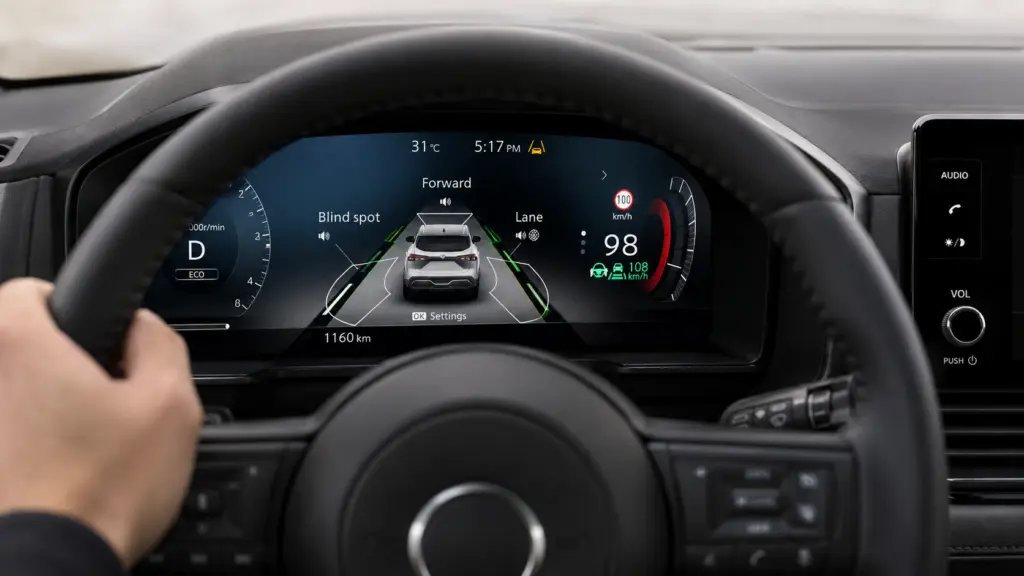
```Many cars, trucks, delivery vehicles, rideshare vehicles, and commercial fleets now use advanced driver-assistance technology. For example, these systems may include lane keeping, adaptive cruise control, automatic emergency braking, blind spot monitoring, and systems commonly referred to as Autopilot.
However, when a crash happens, an important question comes up: who is responsible if driver-assist technology was involved?
```In Texas, the answer depends on the facts. An Autopilot or driver-assist accident may involve the driver, the vehicle owner, an employer, a commercial fleet operator, a maintenance provider, a vehicle manufacturer, a software issue, or another negligent driver. Because these cases may involve both human decisions and vehicle technology, they can be more complicated than a typical car accident. The Law Office of Don McClure helps injured Texans understand their legal options after serious crashes involving passenger vehicles, commercial vehicles, and company vehicles.
Quick Answer: Who May Be Responsible After an Autopilot Accident in Texas?
```Autopilot accident liability in Texas may depend on who was driving, whether the vehicle was being used for work, what technology was active, whether the driver was paying attention, and whether a defect or software issue contributed to the crash.
Depending on the facts, potentially responsible parties may include the driver, vehicle owner, employer, commercial fleet operator, rideshare or delivery company, maintenance provider, vehicle manufacturer, software manufacturer, or another negligent driver.
Because these crashes can involve technical data, early evidence preservation is important.
```What Does Autopilot Actually Mean?
The word Autopilot is often used casually, but it can be misleading. Many systems described as Autopilot are not fully self-driving. Instead, they are often driver-assistance systems designed to help with certain driving tasks.
For example, driver-assist systems may help with steering support, speed control, lane assistance, braking assistance, or warnings. However, that does not always mean the vehicle can drive itself safely in every situation.
That distinction matters. The National Highway Traffic Safety Administration explains driver assistance technologies as systems that may help warn drivers, support safer driving, or reduce crash risks. However, drivers still need to understand what their vehicle can and cannot do.
In other words, advanced technology does not automatically mean the vehicle can handle every road condition, traffic situation, or emergency.
Is Autopilot the Same as Self-Driving?
No, not necessarily. The phrase self-driving can create confusion because many systems available today are still driver-assistance systems, not fully autonomous vehicles.
NHTSA discusses automated vehicle safety and explains that vehicle automation exists at different levels. Some technologies assist the driver, while more advanced automated systems may handle more of the driving task under certain conditions.
For injury claims, this difference can matter. A driver may still have a duty to supervise the vehicle, watch the road, and respond when needed.
Is the Driver Still Responsible if Autopilot Was On?
In many cases, yes. If the system requires driver supervision, the driver may still be responsible for paying attention and responding to road conditions.
For example, a driver may be questioned about:
- Whether they were watching the road
- Whether their hands were near the wheel
- Whether they ignored warnings from the vehicle
- Whether they were distracted
- Whether they relied too heavily on the technology
- Whether they failed to take control when needed
If a driver was using a driver-assist system but was texting, looking away, speeding, or ignoring traffic conditions, that conduct may still matter. Technology does not erase the duty to drive safely.
Can a Company Be Liable if the Vehicle Was Being Used for Work?
Yes, depending on the circumstances. This is where Autopilot accident liability in Texas can become especially important for commercial cases.
If the vehicle was being used for work, a company may potentially be involved in the claim. This may include:
- Company cars
- Delivery vehicles
- Sales vehicles
- Fleet vehicles
- Contractor vehicles
- Rideshare vehicles
- Commercial passenger vehicles
- Vehicles used for work errands
A company may be responsible if an employee caused a crash while acting within the course and scope of employment. Also, a company may face questions about its policies, training, supervision, vehicle maintenance, or use of driver-assist systems in its fleet.
For example, questions may include whether the company trained employees on the limits of the system, whether the vehicle was maintained, whether there were prior warnings, and whether the employee was rushing to meet work deadlines.
Could a Vehicle Manufacturer Be Responsible?
Possibly, depending on the evidence. Some Autopilot or driver-assist accident cases may raise product liability questions.
A vehicle manufacturer, software developer, or component manufacturer may be investigated if evidence suggests that a defect contributed to the crash.
Potential issues may include:
- Defective design
- Software failures
- Sensor problems
- Camera or radar issues
- Failure to warn drivers about system limits
- Misleading instructions or marketing
- Recall-related concerns
- Failure to correct a known safety issue
Vehicle recalls may also matter. NHTSA maintains a public vehicle recalls and safety issues database that drivers can use to search for open recalls.
However, the manufacturer is not automatically responsible every time a vehicle with driver-assist technology crashes. The evidence matters.
What Evidence Matters After an Autopilot Accident?
Evidence is critical in driver-assist crash cases. Unlike ordinary car accidents, these cases may involve electronic data that can help show what the vehicle was doing before impact.
Important evidence may include:
- Vehicle event data
- Driver-assist system logs
- Autopilot engagement or disengagement data
- Dashcam footage
- Vehicle camera footage
- Software version history
- GPS data
- Phone records
- Maintenance records
- Recall history
- Fleet records
- Driver schedules
- Witness statements
- Police reports
- Scene photos and traffic camera footage
NHTSA’s Standing General Order on crash reporting addresses crash reporting involving automated driving systems and Level 2 advanced driver assistance systems. Therefore, electronic data can be important when investigating driver-assist crashes.
That data may be extremely important, but it may not be available forever. As a result, preserving evidence early can make a major difference.
Why Autopilot Accident Cases Can Be More Complicated
Autopilot and driver-assist crashes often involve overlapping questions. Investigators may need to determine:
- Whether the driver-assist system was active
- Whether the system warned the driver
- Whether the system disengaged
- Whether the driver overrode the system
- Whether the driver was distracted
- Whether the vehicle was being used for work
- Whether the employer had relevant policies
- Whether the vehicle was properly maintained
- Whether there was a known defect
- Whether another driver was involved
- Whether weather, lighting, road design, or construction contributed
In a regular crash, the focus may be mostly on driver behavior. In a driver-assist accident, the investigation may also involve vehicle data, software, company policies, fleet practices, and product safety issues.
That is why these cases should not be treated as simple fender-benders.
What If the Vehicle Was Part of a Commercial Fleet?
Commercial fleet cases can be especially complex. Businesses may use driver-assist technology to improve safety, manage vehicles, monitor drivers, or reduce operating costs. However, if a crash happens, the company’s use of that technology may become relevant.
Fleet records may show:
- Who was assigned to the vehicle
- Whether the vehicle was being used for work
- GPS route history
- Driver behavior reports
- Maintenance history
- Prior safety alerts
- Company policies
- Training materials
- Internal incident reports
If a company knew about vehicle problems, ignored safety warnings, failed to train drivers, or pressured drivers to meet unrealistic schedules, those facts may matter.
Can a Rideshare, Delivery, or Transportation Company Be Involved?
Potentially, yes. Driver-assist technology may be used in vehicles connected to rideshare, delivery, courier, shuttle, or commercial transportation work.
Depending on the facts, a claim may involve:
- A rideshare driver
- A delivery driver
- A courier company
- A vehicle owner
- A commercial insurance policy
- A contractor arrangement
- A transportation network company
- A fleet operator
One of the first questions is whether the driver was working at the time of the crash. That answer can affect insurance coverage and potential liability.
What Should Injured People Do After a Driver-Assist Crash?
If you are injured in a crash involving Autopilot or driver-assist technology, try to protect both your health and the evidence.
- Call 911 and request medical assistance if anyone is hurt.
- Get medical care, even if some symptoms seem minor at first.
- Photograph the scene, including vehicle damage, road conditions, traffic signs, weather, skid marks, vehicle screens, company logos, and visible injuries.
- Do not guess about whether Autopilot was on, what the system did, or whether the vehicle malfunctioned.
- Save video or dashcam footage immediately.
- Avoid detailed insurance statements before the evidence is fully understood.
- Preserve the vehicle if possible because it may contain important electronic data.
- Learn your legal options before making decisions that could affect your claim.
Can Insurance Companies Blame the Technology?
Sometimes insurance companies may try to shift blame. For example, they may argue that the driver was not responsible because the technology failed, or that the technology was not responsible because the driver should have taken over.
They may also argue that the injured person caused or contributed to the crash, that the injuries are unrelated, that the crash was unavoidable, or that the claim involves too many unknowns.
These arguments can make the claim harder. Therefore, evidence matters. Vehicle data, witness statements, video footage, maintenance records, and system logs may help clarify what happened.
What Compensation May Be Available?
Depending on the facts, injured people may be able to seek compensation for losses such as:
- Emergency medical care
- Hospital bills
- Surgery
- Physical therapy
- Future medical treatment
- Lost wages
- Reduced earning capacity
- Pain and suffering
- Property damage
- Long-term care needs
Every case is different. The available damages depend on the facts, the injuries, the evidence, available insurance coverage, and Texas law.
How the Law Office of Don McClure Can Help
Autopilot and driver-assist accident cases can involve difficult questions about technology, driver responsibility, company policies, and vehicle data.
Depending on the facts, legal help may include:
- Investigating the crash
- Preserving vehicle data
- Reviewing police reports
- Identifying potentially responsible parties
- Evaluating commercial insurance coverage
- Communicating with insurance companies
- Reviewing work-related vehicle use
- Pursuing a personal injury claim when appropriate
If you were injured in a crash involving driver-assist technology in Houston, Pasadena, or Southeast Texas, you do not have to sort through the questions alone.
FAQs About Autopilot Accident Liability in Texas
```No. Many systems described as Autopilot are driver-assistance systems, not fully self-driving systems. They may still require active driver supervision.
Yes, depending on the facts. If the system required supervision, the driver may still be responsible for paying attention, watching the road, and taking control when needed.
Potentially, yes. If the vehicle was being used for work, a company may be involved depending on the driver’s role, the company’s policies, training, supervision, and vehicle ownership.
Possibly. A manufacturer may be investigated if evidence suggests that a defect, software issue, sensor problem, failure to warn, or other product-related issue contributed to the crash.
Important evidence may include vehicle data, system logs, dashcam footage, software history, GPS records, phone records, maintenance records, witness statements, and police reports.
Be careful. These cases may involve technical evidence that is not immediately clear. Avoid guessing about fault, injuries, or what the technology did before understanding your legal options.
Final Thoughts
Autopilot and driver-assist technology can make accident claims more complicated. A crash may involve driver behavior, company vehicle use, vehicle data, software issues, maintenance records, or product liability questions.
In Texas, responsibility depends on the facts.
If you were injured in an Autopilot or driver-assist accident in Houston, Pasadena, or Southeast Texas, the Law Office of Don McClure can help you understand your legal options and decide what steps may make sense for your case.
Questions After an Autopilot or Driver-Assist Accident?
The Law Office of Don McClure offers a free initial case review. You can discuss your situation, learn your options, and decide what steps may make sense for your case.
Contact UsExternal Sources
This article is for informational purposes only and does not constitute legal advice. Reading this article does not create an attorney-client relationship. Every case is unique, and past results do not guarantee future outcomes.