Houston Flood Watch Issued: What Drivers Need to Know to Stay Safe on the Roads
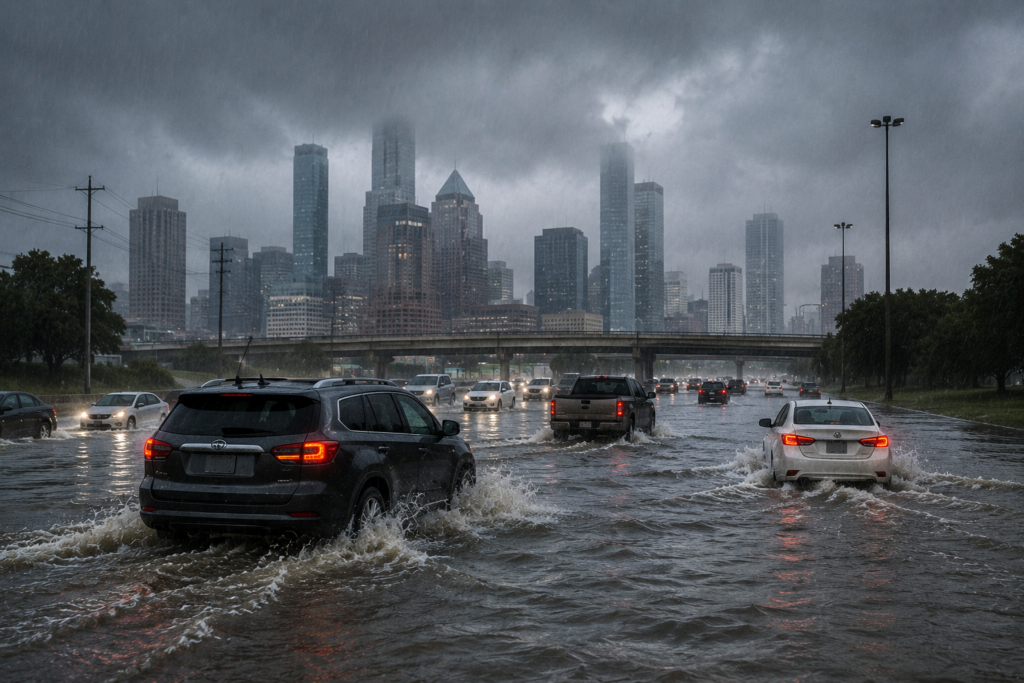
As Southeast Texas experiences another round of heavy rainfall, many Houston-area drivers are preparing for flooded streets, dangerous road conditions, and difficult commutes.
According to Houston Public Media , the National Weather Service has issued a flood watch for much of the Houston area as multiple rounds of rain move through the region. Forecasters warn that some locations could experience several inches of rainfall, increasing the risk of flash flooding and hazardous driving conditions.
While many people focus on protecting their homes during severe weather, it is equally important to think about roadway safety. Every year, heavy rain contributes to thousands of motor vehicle accidents across Texas.
At the Law Office of Don McClure , we help accident victims understand their rights after weather-related crashes. Here is what every Houston driver should know during this latest flood watch.
What Should Houston Drivers Know During a Flood Watch?
During a Houston flood watch, drivers should slow down, avoid flooded roads, increase following distance, use headlights when needed, and delay travel if conditions become unsafe.
Rain does not automatically excuse unsafe driving. Drivers are still expected to operate their vehicles safely based on the conditions.
Why Heavy Rain Makes Houston Roads More Dangerous
Rain affects much more than visibility.
Even a relatively short storm can create dangerous driving conditions by:
- Reducing tire traction
- Increasing stopping distances
- Creating standing water
- Hiding potholes and debris
- Reducing visibility
- Increasing hydroplaning risks
Houston's extensive freeway system can become especially hazardous during periods of heavy rain, particularly when water begins pooling on roadways.
The National Weather Service reminds drivers that floodwaters can rise quickly and often conceal hazards beneath the surface.
Never Drive Through Flooded Roads
One of the most dangerous mistakes drivers make is attempting to cross flooded roadways.
Floodwater may appear shallow, but it can hide:
- Washed-out pavement
- Large potholes
- Debris
- Open drainage systems
- Strong currents
The National Weather Service's Turn Around, Don't Drown® campaign emphasizes that just 12 inches of moving water can carry away many passenger vehicles.
If you encounter standing water, the safest decision is often to turn around and choose another route.
Hydroplaning Can Happen Faster Than You Think
Hydroplaning occurs when your tires lose contact with the road because of standing water.
When this happens, steering and braking become extremely difficult.
Hydroplaning is more likely when:
- Driving too fast
- Tires are worn
- Water has accumulated on the roadway
- Heavy rain reduces visibility
According to the National Highway Traffic Safety Administration (NHTSA) , slowing down during wet weather is one of the most effective ways to reduce crash risks.
Common Causes of Weather-Related Car Accidents
Although severe weather creates hazardous conditions, many accidents still involve driver negligence.
Common causes include:
Driving Too Fast for Conditions
Posted speed limits assume ideal driving conditions. Heavy rain often requires significantly slower speeds.
Following Too Closely
Wet roads increase stopping distances, making rear-end collisions more likely.
Distracted Driving
Checking navigation apps or mobile phones during severe weather reduces reaction time when conditions require extra attention.
Worn Tires
Poor tire tread increases hydroplaning risks.
Failure to Use Headlights
Texas law generally requires headlights whenever windshield wipers are in continuous use.
What Should You Do After a Flood-Related Car Accident?
If you are involved in a crash during severe weather, taking the right steps can help protect both your health and your legal rights.
1. Call 911
Report the accident and request medical assistance if anyone is injured.
2. Move to Safety
If possible, move away from traffic and rising water.
3. Seek Medical Attention
Some injuries may not become obvious until hours or days after the accident. Prompt medical care protects both your health and creates important documentation.
4. Document the Scene
Take photographs of:
- Vehicle damage
- Road conditions
- Flooding
- Traffic signs
- Weather conditions
- Visible injuries
5. Exchange Information
Collect insurance and contact information from all drivers involved.
6. Speak With a Lawyer
If another driver's negligence contributed to the accident, an experienced Texas car accident lawyer can help you understand your legal rights.
Can Someone Still Be Liable During Bad Weather?
Yes.
Rain does not automatically excuse negligent driving.
Drivers are still expected to operate their vehicles safely based on existing road conditions.
Examples of negligence during severe weather may include:
- Speeding
- Following too closely
- Distracted driving
- Driving with unsafe tires
- Ignoring flooded roadway warnings
- Failing to use headlights
Each accident depends on its unique facts and circumstances.
Insurance Companies May Still Challenge Your Claim
After a weather-related crash, insurance companies sometimes argue:
- The weather caused the accident.
- No driver was negligent.
- Injuries are unrelated.
- Medical treatment was unnecessary.
- Damages are overstated.
The Texas Department of Insurance offers helpful resources about insurance claims and consumer rights after an accident.
Stay Informed During Severe Weather
Weather conditions can change rapidly in Southeast Texas. Drivers should monitor updates from reliable sources before traveling.
Useful resources include:
- Houston Public Media's latest flood watch coverage
- National Weather Service
- Texas Department of Transportation
If travel is not necessary, consider waiting until conditions improve.
How the Law Office of Don McClure Can Help
Weather-related accidents can present unique challenges when determining fault and dealing with insurance companies.
The Law Office of Don McClure helps injured Texans understand their legal rights after serious motor vehicle accidents. Depending on the circumstances, legal representation may help investigate crashes, communicate with insurance companies, and pursue compensation when another driver's negligence contributes to an accident.
For more information about Texas accident claims, insurance issues, and personal injury topics, visit our Houston Personal Injury Blog .
FAQs About Houston Flood Watch Driving Safety
What does a flood watch mean?
A flood watch means conditions are favorable for flooding. It does not necessarily mean flooding is already occurring, but drivers should remain alert and monitor weather updates.
Is it safe to drive during a flood watch?
If travel is necessary, slow down, increase following distance, and avoid flooded roadways. If conditions worsen, it is often safest to delay travel.
Who is responsible if an accident happens during heavy rain?
Bad weather does not automatically eliminate liability. Drivers are still expected to operate their vehicles safely for the conditions.
What should I do if my car hydroplanes?
Remain calm, ease off the accelerator, avoid sudden braking, and steer gently in the direction you want the vehicle to travel until traction returns.
Can I recover compensation after a weather-related accident?
Depending on the circumstances, compensation may be available if another driver's negligence contributed to the collision.
Where can I stay updated on Houston weather?
Monitor trusted sources such as the National Weather Service and Houston Public Media for the latest forecasts and alerts.
Final Thoughts
Heavy rain and flooding are a reality of living in the Houston area. While drivers cannot control the weather, they can take steps to reduce their risk by slowing down, avoiding flooded roads, and staying informed through trusted weather sources.
If another driver's negligence leads to a weather-related accident, understanding your legal rights is an important part of moving forward.
The Law Office of Don McClure is committed to helping accident victims throughout Houston and Southeast Texas understand their options after serious crashes.
Injured in a Weather-Related Crash?
If you were injured in a weather-related accident in Houston, Pasadena, or Southeast Texas, the Law Office of Don McClure offers a free initial case review. You can discuss your situation, learn your options, and decide what steps may make sense for your case.
Contact UsNews Source: This article was inspired by reporting from Houston Public Media's coverage of the June 2026 Houston flood watch .
Disclaimer: This article is for informational purposes only and does not constitute legal advice. Reading this article does not create an attorney-client relationship. Every case is unique, and past results do not guarantee future outcomes.