Spring Car Accidents in Houston: Causes, Risks, and What to Do
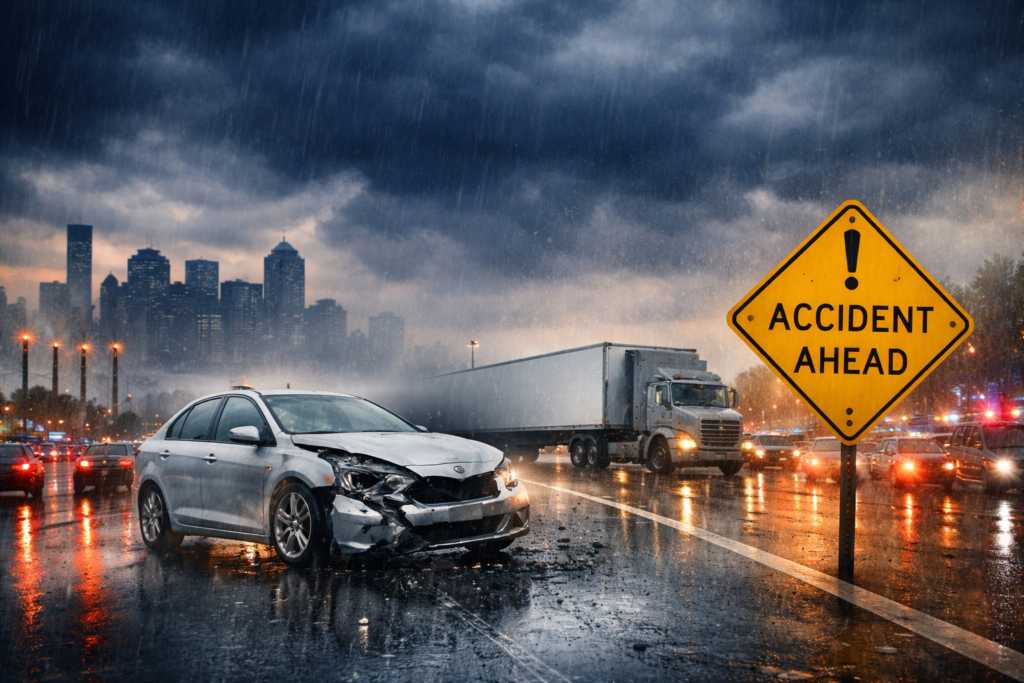
Spring car accidents Houston drivers experience often increase this time of year as sudden storms, slick roads, and heavy traffic create dangerous conditions across I-45, I-10, and the 610 Loop.
In many cases, drivers are caught off guard by how quickly conditions change. As a result, what starts as a normal commute can turn into a serious collision within minutes.
This guide explains why spring accidents increase in Houston, the types of crashes that are more common, and what injured individuals should understand about their options.
Why Spring Is One of the Most Dangerous Times to Drive in Houston
Spring driving conditions in Houston create a unique combination of risks that are often underestimated. According to Texas car accident statistics, weather-related crashes increase during periods of sudden rain and reduced visibility.
Rain After Dry Periods Creates Slick Roads
After weeks of dry weather, oil and debris build up on road surfaces. When the first rain hits, it mixes with that residue and creates extremely slippery conditions, especially at intersections and highway entrance ramps.
Sudden Storms Reduce Reaction Time
Houston storms can develop quickly, reducing visibility and increasing stopping distances. Drivers are often caught off guard, which is why guidance on driving safely in rainy conditions emphasizes slowing down and staying alert.
Houston storms tend to arrive quickly. Drivers who were traveling at normal speeds may suddenly face:
-
Reduced visibility
-
Standing water
-
Slower traffic ahead
That shift leaves little time to react, increasing the likelihood of rear-end and multi-vehicle collisions.
Traffic Volume Increases in Spring
In addition, spring brings more commuters, construction activity, and commercial vehicles. At the same time, refinery and industrial shift changes can increase congestion in certain areas, making accidents more likely.
Spring also brings:
-
More commuting traffic
-
Increased construction activity
-
More commercial and delivery vehicles on the road
In areas near industrial and refinery zones, shift changes can create dense traffic patterns where even minor weather changes increase accident risk.
The Most Common Spring Car Accidents Houston Drivers Face
Certain types of crashes tend to increase during Houston’s spring months, especially when weather and traffic patterns overlap.
Rear-End Collisions on Wet Roads
When rain reduces traction, stopping distances increase. Drivers who fail to adjust their speed or following distance often cause rear-end crashes, particularly during rush hour on I-45 and Loop 610.
Hydroplaning Accidents
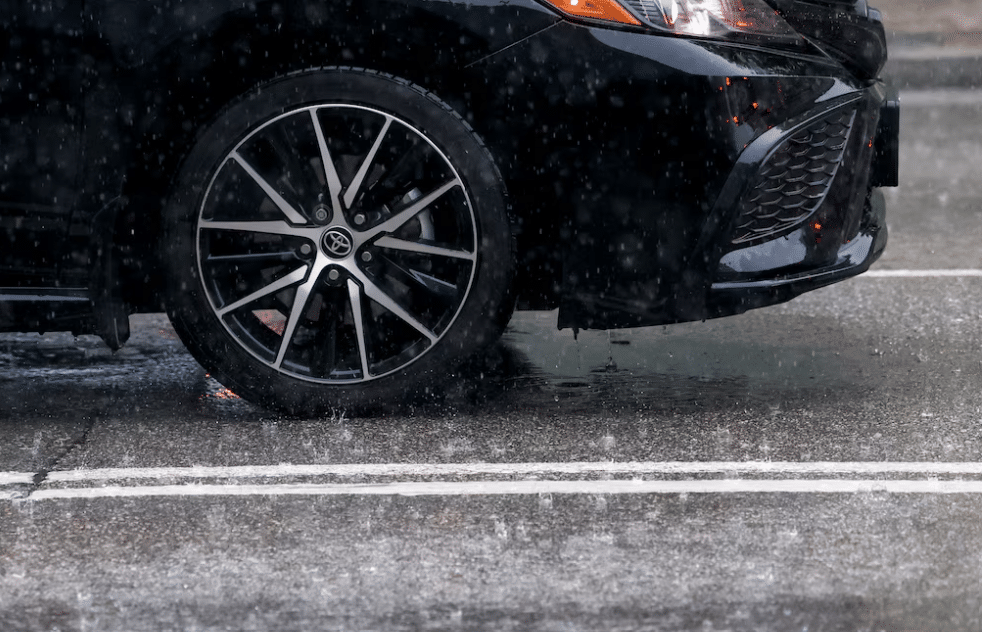
Hydroplaning occurs when tires lose contact with the road due to standing water, which can lead to loss of control. Understanding what causes hydroplaning can help explain why these accidents happen so quickly in heavy rain. Standing water can cause vehicles to lose contact with the road entirely. Hydroplaning often leads to:-
Loss of steering control
-
Lane departures
-
Multi-vehicle collisions
18-Wheeler and Truck Accidents
Large trucks require greater stopping distances. However, wet roads can significantly reduce traction, increasing the risk of jackknife accidents and high-impact collisions. These cases may involve both drivers and commercial entities.
Multi-Car Pileups During Storm Conditions
When visibility drops and traffic compresses, chain-reaction accidents become more likely. In many cases, multiple drivers may share responsibility, making these claims more complex
How Weather Impacts Liability in Texas
Weather plays a role in how accidents happen, but it does not eliminate responsibility.
Drivers Are Still Required to Drive Safely
Under Texas law, drivers have a duty to operate their vehicles safely based on current conditions. That includes:
-
Adjusting speed in rain
-
Maintaining safe following distances
-
Staying alert to changing traffic patterns
Bad Weather Is Not a Free Pass
A common misconception is that weather excuses an accident. In reality, statements like:
“I couldn’t stop because it was raining”
do not automatically remove liability.
If a driver fails to adjust to road conditions, that failure can still be considered negligence.
Liability May Involve Multiple Parties
Depending on the accident, responsibility may extend to:
-
Other drivers
-
Commercial vehicle operators
-
Employers in work-related driving situations
Each case depends on its specific facts, and determining liability often requires a detailed review of what happened.
What to Do After a Spring Car Accident in Houston
The steps you take after an accident can affect both your recovery and your ability to pursue a claim.
1. Seek Medical Attention
Even if injuries seem minor, symptoms may appear later. Medical documentation can also help establish the connection between the accident and your injuries.
2. Document the Scene
If you are able:
-
Take photos of vehicles and road conditions
-
Capture weather conditions at the time
-
Collect witness information
3. Be Careful When Dealing With Insurance
Insurance companies may request statements or offer early settlements. It’s important to:
-
Provide accurate information
-
Avoid speculation about fault
-
Understand that early offers may not reflect long-term damages
4. Consider Speaking With an Attorney Early
Understanding your options early can help you avoid mistakes that may affect your claim.
Free consultations are available, and many personal injury cases are handled on a contingency fee basis, meaning no fees unless there is a recovery.
Do You Have a Case?
Many spring car accidents in Houston involve complex factors like weather, traffic congestion, and commercial vehicles. Not every accident results in a claim, but certain situations may indicate that it is worth exploring your legal options.
You may have a case if:
-
Another driver may have been at fault
-
You suffered injuries requiring treatment
-
The accident involved an 18-wheeler or commercial vehicle
-
You were driving for work at the time of the crash
-
The accident occurred in heavy traffic or hazardous weather conditions
Every situation is different, and outcomes depend on the specific facts involved.
What Your Case Could Be Worth
The value of a car accident claim can vary based on several factors, including:
-
Medical expenses
-
Lost income
-
Severity of injuries
-
Long-term impact on daily life
Some cases may involve relatively modest compensation, while others involving serious injuries may result in significantly higher recoveries.
However:
-
Results are not guaranteed
-
Each case is fact-specific
-
Past outcomes do not predict future results
A case evaluation is the best way to understand potential value based on your situation.
Talk to a Houston Car Accident Lawyer Today
If you’ve been injured in a spring car accident in Houston, you don’t have to figure everything out on your own.
You can get answers to questions like:
-
Who may be responsible for the accident
-
What your options are moving forward
-
Whether pursuing a claim makes sense
Frequently Asked Questions About Spring Car Accidents in Houston
Most frequent questions and answers
Are drivers still responsible for accidents in rainy weather in Texas?Yes. In Texas, drivers are expected to adjust their driving to match road and weather conditions. This means reducing speed, increasing following distance, and staying alert. Rain or poor visibility does not automatically excuse a driver from responsibility.
What causes more car accidents in Houston during spring? Spring car accidents in Houston are often caused by sudden rain, slick roads from oil buildup, reduced visibility, and increased traffic. These factors can combine quickly, especially on busy highways like I-45 and I-10. Who is at fault in a hydroplaning accident? Fault depends on the specific circumstances. In many cases, a driver may still be responsible if they were traveling too fast for the conditions or failed to maintain control of their vehicle. Each situation must be evaluated based on the facts. Are 18-wheeler accidents more dangerous in rainy conditions?Yes. Large trucks require more time and distance to stop. When roads are wet, traction is reduced, which can increase the risk of serious collisions such as jackknife accidents or multi-vehicle crashes.
What should I do immediately after a car accident in Houston? You should seek medical attention, document the scene if possible, and be cautious when speaking with insurance companies. It may also help to understand your options before making decisions about a claim. Can I file a claim if I was driving for work during the accident? In some cases, yes. If another driver caused the accident, you may have a third-party claim in addition to any workers’ compensation benefits. The details depend on how the accident occurred. How long do I have to file a car accident claim in Texas?Texas generally has a statute of limitations for personal injury claims, but the exact timeline can depend on the circumstances. It’s important to act promptly to preserve your rights.