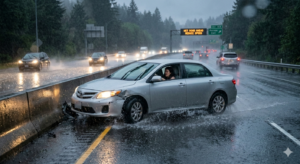

A driving for work accident in Texas can raise more questions than a typical crash. You may be dealing with injuries, time off work, and confusion about who is responsible for paying your damages.
In many cases, these accidents involve more than one type of claim. As a result, understanding your options early can make a meaningful difference in how your situation is handled.
This guide explains how work-related car accidents are handled in Texas, including third-party claims, liability, and what steps to take next.
A driving for work accident happens when you are operating a vehicle as part of your job duties. For example, this may include:
Traveling between job sites
Making deliveries
Driving a company vehicle
Running work-related errands
In addition, many Houston workers, including refinery and construction workers, spend significant time commuting or traveling during shifts, which increases exposure to roadway risks.
The answer depends on how the accident happened.
If your employer carries workers’ compensation, it may cover:
Medical treatment
A portion of lost wages
However, workers’ compensation typically does not cover all damages, such as pain and suffering.
In many cases, another driver may have caused the crash. When that happens, you may have a third-party claim in addition to any workers’ compensation benefits.
For example:
A distracted driver rear-ends your vehicle
A commercial truck fails to slow down in traffic
A driver loses control in wet conditions
Because of this, identifying fault is critical in determining your options.
A third-party claim is a claim against someone other than your employer who caused the accident.
For example, if another driver was negligent, you may be able to seek compensation for:
Medical expenses
Lost income
Pain and suffering
According to the Texas Department of Insurance, workers’ compensation and third-party claims can exist separately depending on the circumstances.
Yes, in some situations, you may have both.
However, these cases can become complex. For example:
Workers’ compensation may cover certain benefits
A third-party claim may address additional damages
Because of this overlap, it is important to understand how the claims interact.
Texas follows a fault-based system. This means the person responsible for causing the accident may be liable for damages.
Even in challenging conditions, such as rain, drivers must adjust their behavior. Guidance from AAA on wet weather driving explains how reduced traction and visibility increase crash risk.
However, weather alone does not remove responsibility. Drivers are still expected to operate safely based on conditions.
Taking the right steps early can help protect both your health and your potential claim.
Even if injuries seem minor, symptoms may appear later. Medical records can help document the impact of the accident.
In addition, notify your employer as soon as possible. This helps establish that the accident occurred during work-related activity.
If you are able:
Take photos of vehicles and road conditions
Note weather conditions
Collect witness information
Insurance companies may request statements early. However, it is important to avoid speculation about fault or injuries.
Because these cases may involve multiple claims, understanding your options early can help you make informed decisions.
 You can also learn more about spring car accidents Houston drivers face and how weather impacts liability.
Not every accident leads to a claim. However, a driving for work accident in Texas may involve a case if:
Another driver may have been at fault
You suffered injuries requiring treatment
A commercial vehicle or 18-wheeler was involved
The accident occurred during job duties
Each situation is different, and outcomes depend on the specific facts involved.
The value of a work-related car accident claim depends on several factors, including:
Medical expenses
Lost income
Severity of injuries
Long-term impact on your ability to work
Some cases may involve modest compensation, while others may be significantly higher, particularly when serious injuries are involved.
However:
Results are not guaranteed
Each case is fact-specific
Past outcomes do not predict future results
If you were injured in a driving for work accident in Texas, you may have questions about your options.
A consultation can help you better understand:
Whether a third-party claim may apply
What steps to take next
How different claims may
Many cases are handled on a contingency fee basis, meaning no fees unless there is a recovery.