After a crash with a commercial truck, one of the first questions people ask is simple: what evidence actually matters? In most cases, photos, medical records, driver logs, black box data, and witness statements all play a role. Just as important, how this information is collected and preserved can affect how a claim moves forward.
If you are dealing with injuries or helping a family member, understanding this early can help you stay one step ahead.
Why Evidence Matters In Truck Accident Cases
Truck accident cases often involve more than just two drivers. Instead, they may include a trucking company, maintenance providers, or even a cargo company.
Because of that, investigators and insurance companies take a closer look at the details. They need to understand how the crash happened and who may share responsibility.
As a result, evidence becomes the foundation of the case. Without it, it becomes much harder to piece together what actually happened.
According to the National Highway Traffic Safety Administration, large truck crashes often involve multiple contributing factors, including driver behavior and vehicle condition.
Types Of Evidence That May Be Important
To begin with, several types of evidence come up in most truck accident cases. Each one adds a piece to the overall picture.
Key Evidence In A Truck Accident Case:
- Photos and videos from the crash scene
- Police accident reports
- Medical records and treatment notes
- Witness statements
- Truck driver logs and schedules
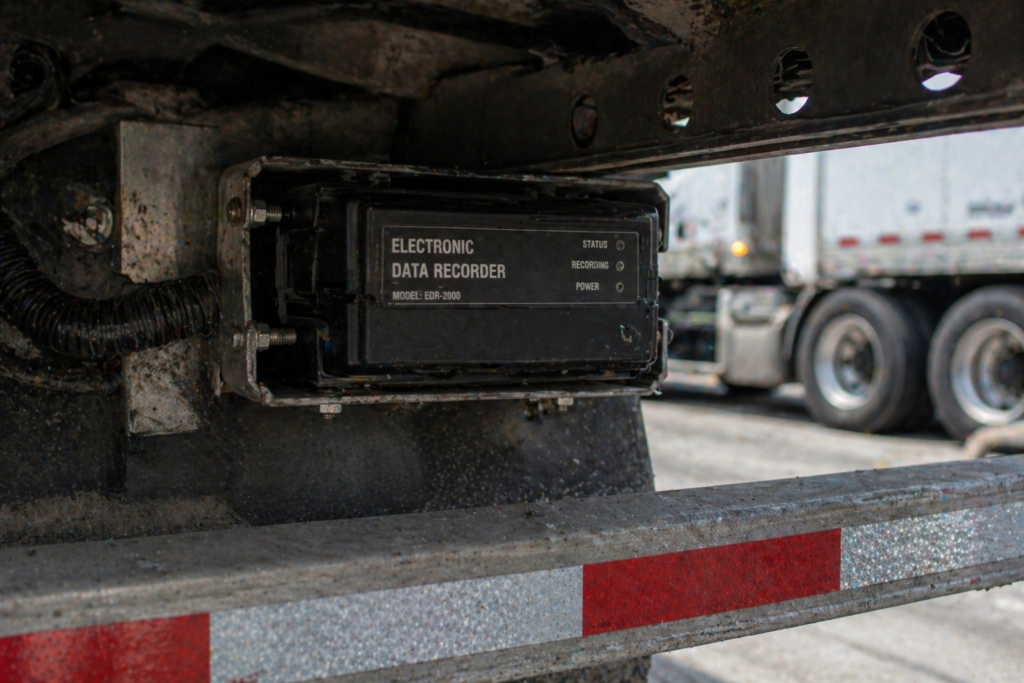
- Black box or electronic data from the truck
- Maintenance and inspection records
Taken together, this information helps explain how the crash occurred and what happened afterward.
Contact us Attorney Don McClure today for a free case review by calling (713) 571-7777 or emailing [email protected].
The Role Of Driver Logs And Federal Rules
In addition to basic evidence, federal safety rules play an important role in truck accident cases. Commercial drivers must follow strict regulations designed to reduce risk on the road.
For example, Hours of Service rules limit how long a driver can operate a truck without rest. The Federal Motor Carrier Safety Administration sets and enforces these rules.
Driver logs and electronic logging devices track time behind the wheel. If a driver exceeds those limits, it may raise concerns about fatigue.
At the same time, the Occupational Safety and Health Administration has linked long work hours to increased safety risks. Because of this, these records often become an important part of a semi-truck crash injury claim.
How Black Box Data Can Help Explain The Crash
At the same time, many trucks record detailed driving data. These systems, often called “black boxes,” can provide valuable insight.
For instance, they may capture:
- Speed before impact
- Braking activity
- Engine performance
- Sudden movements
This data can help show what was happening in the moments leading up to the crash. In some cases, it may confirm or challenge statements from drivers or witnesses.
However, this information does not last forever. In many situations, it can be overwritten, which is why timing can matter when trying to preserve it.
Contact us Attorney Don McClure today for a free case review by calling (713) 571-7777 or emailing [email protected].
Who Collects and Reviews the Evidence
After a crash, several groups may begin collecting evidence right away. This usually includes law enforcement and insurance companies. In some cases, independent investigators may also get involved.
The Texas Department of Transportation tracks commercial vehicle crashes and provides reporting guidelines. These reports often become an early source of information.
Meanwhile, additional records may come from trucking companies, maintenance providers, or other third parties. Because of this, gathering evidence can take time, especially when multiple parties are involved.
Medical Records and Injury Documentation
In addition to crash-related evidence, medical records play a key role. These records connect the accident to your injuries and show how your condition develops over time.
They may include:
- Emergency room visits
- Doctor evaluations
- Imaging such as X-rays or MRIs
- Physical therapy notes
Consistent care helps create a clear timeline. It also shows how the injury affects your daily life. Even if symptoms appear later, it is still important to seek medical attention and document what you are experiencing.
Common Challenges with Evidence in Truck Cases
Even with strong documentation, challenges can still arise. Truck accident cases often involve records that are controlled by companies, not individuals.
In addition, some data may only be stored for a limited time. This can create pressure to gather information before it is lost.
There may also be disagreements about fault, safety violations, or the extent of injuries. Because of this, reviewing evidence often requires careful attention to detail.
Time Limits for Truck Accident Claims in Texas
Finally, it is important to understand the time limits involved. Texas law sets a deadline for filing personal injury claims. This is known as the statute of limitations.
Under Texas Civil Practice and Remedies Code § 16.003, you generally have two years from the date of the accident to file a lawsuit.
If that deadline passes, it may affect your ability to bring a claim. While exceptions may apply, they depend on the specific facts of the case.
Frequently Asked Questions About Truck Accident Evidence
- What is the most important evidence after a truck accident?
There is no single piece of evidence that matters most. Instead, a combination of photos, records, and data usually helps explain what happened.
- Can evidence be lost after a truck accident?
Yes. For example, black box data may be overwritten. That is why early documentation can be helpful.
- Do I need to collect evidence myself?
You can gather basic details like photos and contact information. However, other records are often collected through official investigations.
- How do driver logs affect a case?
They can show whether the driver followed federal safety rules, including limits on driving time.
- What if there are no witnesses?
Even without witnesses, other evidence such as vehicle data and physical damage may still help explain the crash.
How Attorney Don McClure May Be Able to Help
After a truck accident, sorting through evidence can feel overwhelming. There may be reports, records, and questions about what matters most.
Attorney Don McClure works with individuals and families who are trying to understand these situations. He can review the details and explain how different types of evidence may apply based on the facts of your case.
If you are looking for guidance from an 18-wheeler accident lawyer in Texas, the goal is to help you understand your options, not to pressure you into a decision.
Contact us Attorney Don McClure today for a free case review by calling (713) 571-7777 or emailing [email protected].
DISCLAIMER:
This blog post is for general informational purposes only and does not constitute legal advice. Every situation is unique, and the information here may not apply to your specific circumstances. For guidance on your situation, contact Attorney Don McClure at attorneymcclure.com.